
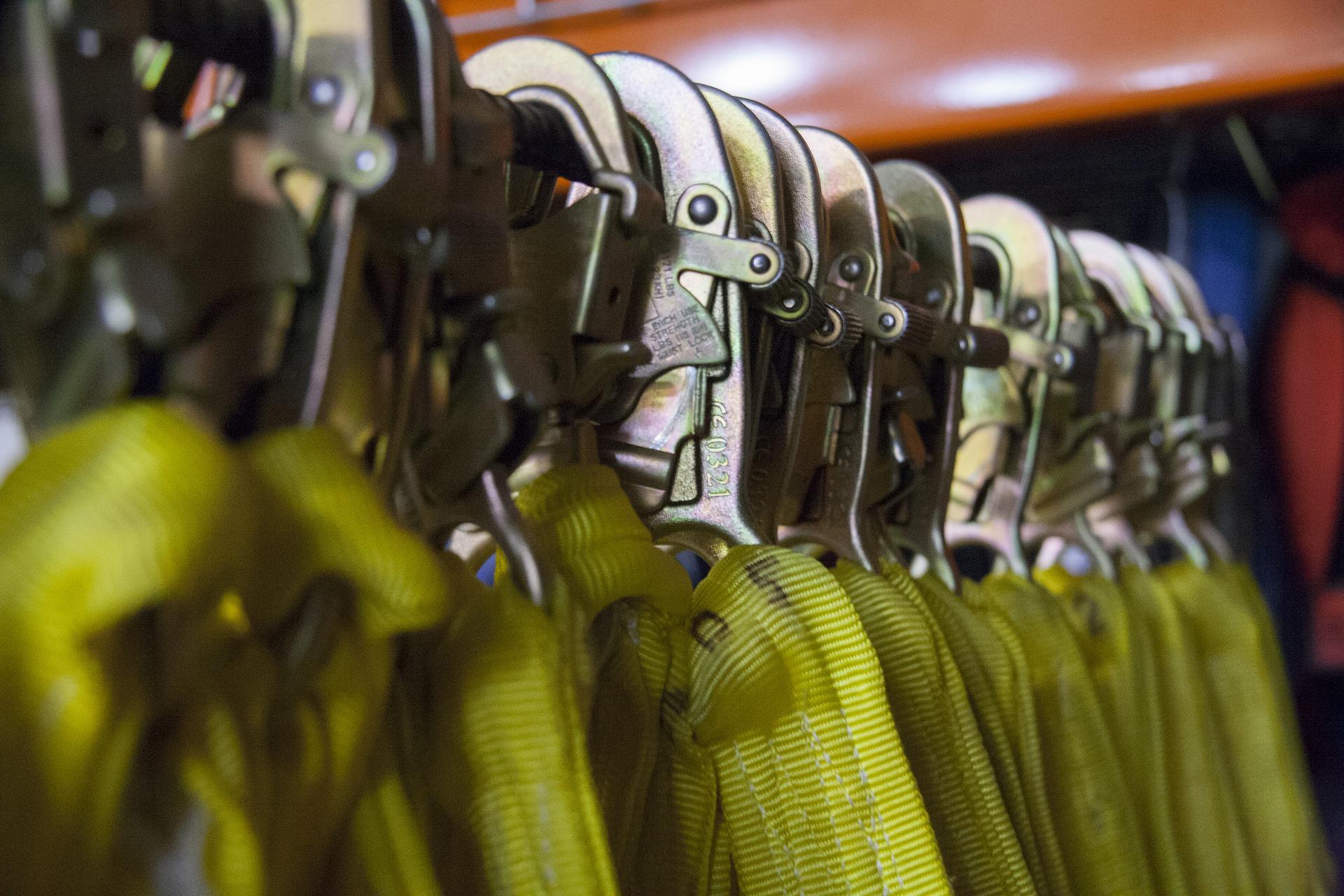
Do I need fall protection on a construction site? We look at the necessary UK safety procedures and equipment for working at height in construction.
Do I Need Fall Protection?
Suppose your company or firm is taking on a brand-new, extensive building project; however, it requires your housebuilders or workers to complete jobs at heights for a large percentage of their day. If you have the skills but have never taken on projects like this before, you'll have some learning to do.
You may be slightly unfamiliar with the work equipment, devices and details involved in working at great heights, but you're likely to know one thing - worker safety is paramount! Perhaps you're wondering whether or not you and your workers will need to use and invest in fall protection or fall arrest equipment before work begins, and the answer is always yes.
Construction Safety Risks at Height
Falls from great heights are one of the most prevalent causes of work-related injuries and, in the worst-case scenarios, can even result in deaths.
The BLS (Bureau of Labour Statistics) stated that in 2014, approximately 800 builders and workers died from falls to lower levels like the first floor or on the same level. 261,000 workers have missed workdays due to workplace falls and serious injuries.
These stats refer to those workers in private industries and local government sectors. However, it's best to keep in mind that whilst the construction industry is responsible for the highest frequency of these injuries and fall-related deaths, many injuries and falls are preventable using fall protection methods, equipment, and devices.

The OSHA Standards
Initially, it would be best if you began familiarising yourself with all the necessary OSHA regulations regarding fall prevention. Search the OSHA Standard 1926.501 regulations; these provide detailed outlines of the most suitable projects and jobs to use personal fall arrest systems and how builders should use them and risk assessed on-site. These standards and requirements encompass various situations and sectors that could encounter these problems.
Federal regulations mandate the use of adequate fall arrest and protection systems at these elevations:
| General Industry | 4 feet |
| Shipyards | 5 feet |
| Construction | 6 feet |
| Long-Shoring Operations | 8 feet |
| Steel Erection | 10 feet |
| Decking Operations | 30 feet |
OSHA requires those companies working above potentially dangerous equipment, tools and machinery to use fall protection and netting to shield them from falling onto them, regardless of the elevation distance.
It will also prevent those workers below from being hit or injured by falling objects, so it's also vital to complete adequate clearance of equipment from fragile surfaces before removing any safety nets or fall prevention.
Those completing tasks over vats, crushers, foundry equipment, conveyors or tanks are included in this requirement.
Hierarchy of fall protection
External and internal fall protection has a hierarchy of measures that professionals must perform and consider when planning or carrying work at heights, including measures involving the internal work of your building.
The hierarchy involves:
- Professionals must avoid work at height where possible.
- They must use measures and high-quality equipment to prevent any falls in places or sites where they cannot avoid working at height.
- It is paramount to use equipment and various methods to minimise the distances and overall consequences of falling, for example, building temporary safe working platforms, netting and fall arrest airbags.
- All employees working at height must follow this hierarchy systematically, and when you cannot avoid specific steps, they move down the list and consider those options.
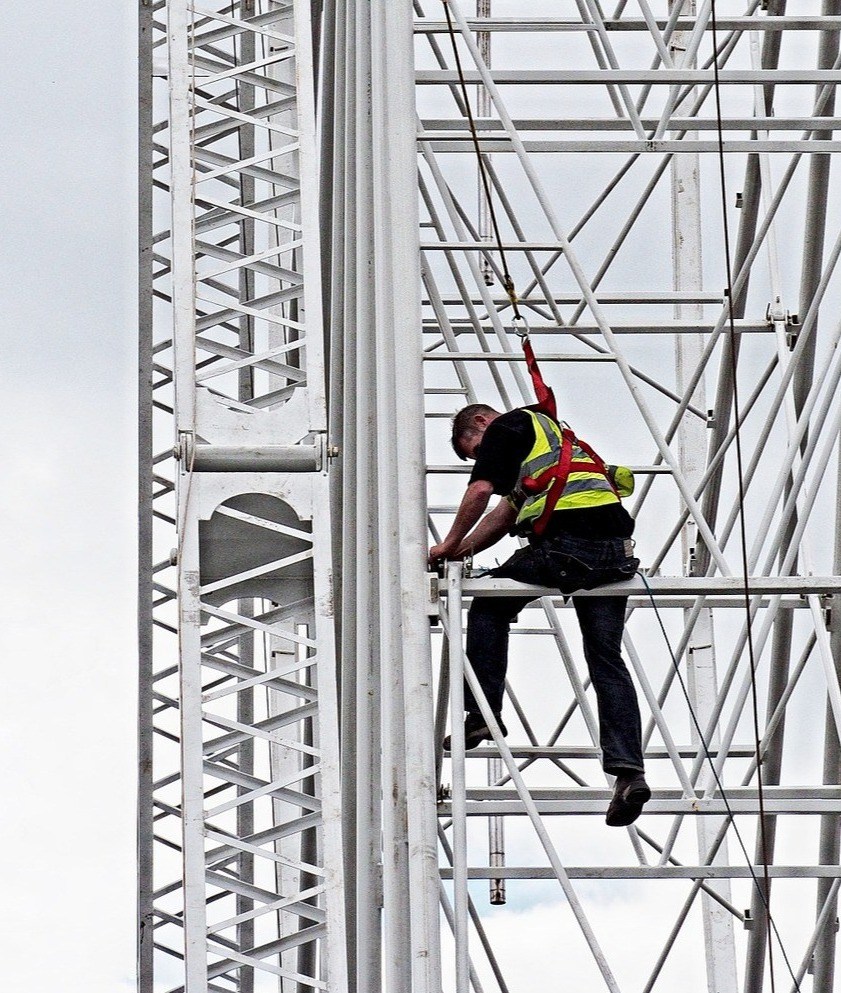
WHEN DO YOU NEED TO WEAR A SAFETY HARNESS?
Safety harnesses, ideally, should be worn whilst completing any tasks or jobs working at heights when there are risks of falling.
Full-body harnesses ensure that even if you experience a potential fall, you won't hit the ground and injure yourself.
Any workplace should incorporate a total, and updated risk assessment concerning any safety harnesses on-site, ensuring you have adequate anchorage and durable ropes for each person.
An Alternative Safety Measure For Working At Height
There are alternatives to the standard traditional methods that professionals use to protect their workers when working at height. For example, you can utilise guardrail systems and birdcage scaffolding to protect workers and potentially save a life.
HSE (Health and Safety Executives) revealed several shocking statistics displaying that early in 2017 and 2018, there were approximately 35 working at height fatalities due to falls. The data demonstrated that UK workers' primary cause of death on construction sites was down to falls from heights. The construction industry was accountable for the highest numbers of all the stats.
Many feel that companies must shift away from using alternative methods like guardrails and birdcage scaffoldings to protect their builders and workers from working at heights. Adequate fall arrest systems have been accessible to workers since the 1990s. People in these sectors encourage air-filled fall bags as these soft landing systems will ensure you always have a way to minimise the injuries and other damages of a fall, instead of having fall protection equipment that could fail if installed incorrectly.
The HSE (Health and Safety Executives) highly recommend that one of the best ways to prevent falling from working heights is to install and utilise a high-quality tower scaffold. However, you must be aware that incorrect erection or misuse of your towers could lead to a major injury or damage.
To achieve a safe cushioned landing, you may want to use fall arrest bags. These have been effectively designed to absorb the weight of a worker after a fall; ultimately, it helps to minimise the risks of detrimental injuries.
The house building market often ignores any fall protection standards and requirements given by OSHA laws because many find fall arrest or protection methods too expensive.
Therefore, they risk falling through roof trusses and floor joists when completing roof work or jobs on higher levels. However, fall arrest bags and techniques are versatile for many projects and working conditions; professionals can also use them inside traditional brick-built properties, lorry beds, concrete buildings, timber-framed developments and scaffoldings.
We highly recommend trying to use them no matter the project so that you can keep all your employees safe and compliant with the regulations.
Harnesses are an essential piece of safety equipment for those working at heights; however, they can be relatively restrictive when attempting to complete a detailed task. Workers can gain a great deal of freedom, perfect for when you handle tools and materials and makes room for getting to grips with the job when they are harness-free.
We think that, if the task at hand allows it, you should have the fall protection systems correctly installed by a competent person with proper training to ensure that your workers can work efficiently without harnesses.
The fall arrest bags are prefilled with air pockets, making them incredibly straightforward to install. You can complete a full installation of this product in around 15 minutes. Ensuring you have high-quality equipment that you can easily setup will enable more productivity.
Assessing the Fall Protection Needs of Your Workplace
We highly recommend deeply assessing all fall protection needs for the workplace or construction site environment. Each job and site is different, meaning your requirements for fall protection can often vary.
What works for one industry or one specific project may fail or be ineffective for others, so assessing what areas need to be protected is critical.
Looking closely at every aspect of your project and workspace will allow you to accurately identify hazards to efficiently and effectively address them.

There are a few questions you should ask yourself and consider during your worksite assessment:
- What is the type of work or project being completed?
- Does your site involve any leading edges?
- Assess how much fall clearance there is. Will the amount remain consistent, or will it change throughout your project or workday?
- When it comes to your project, are standard fall protection devices practical? Will you require guardrails or harnesses?
- Is the current fall protection equipment sufficient, or do you require updated devices or fall arrest systems?
If you are working on a construction project in Suffolk, Cambridgeshire, Hertfordshire, Kent or London, you will be considring the safety requirements of your workers. Follow the links below for construction site safety nets, crash bags hire and edge protection hire.
Construction Site Safety Nets Fall Protection Safety Bags Temporary Edge Protection Hire