
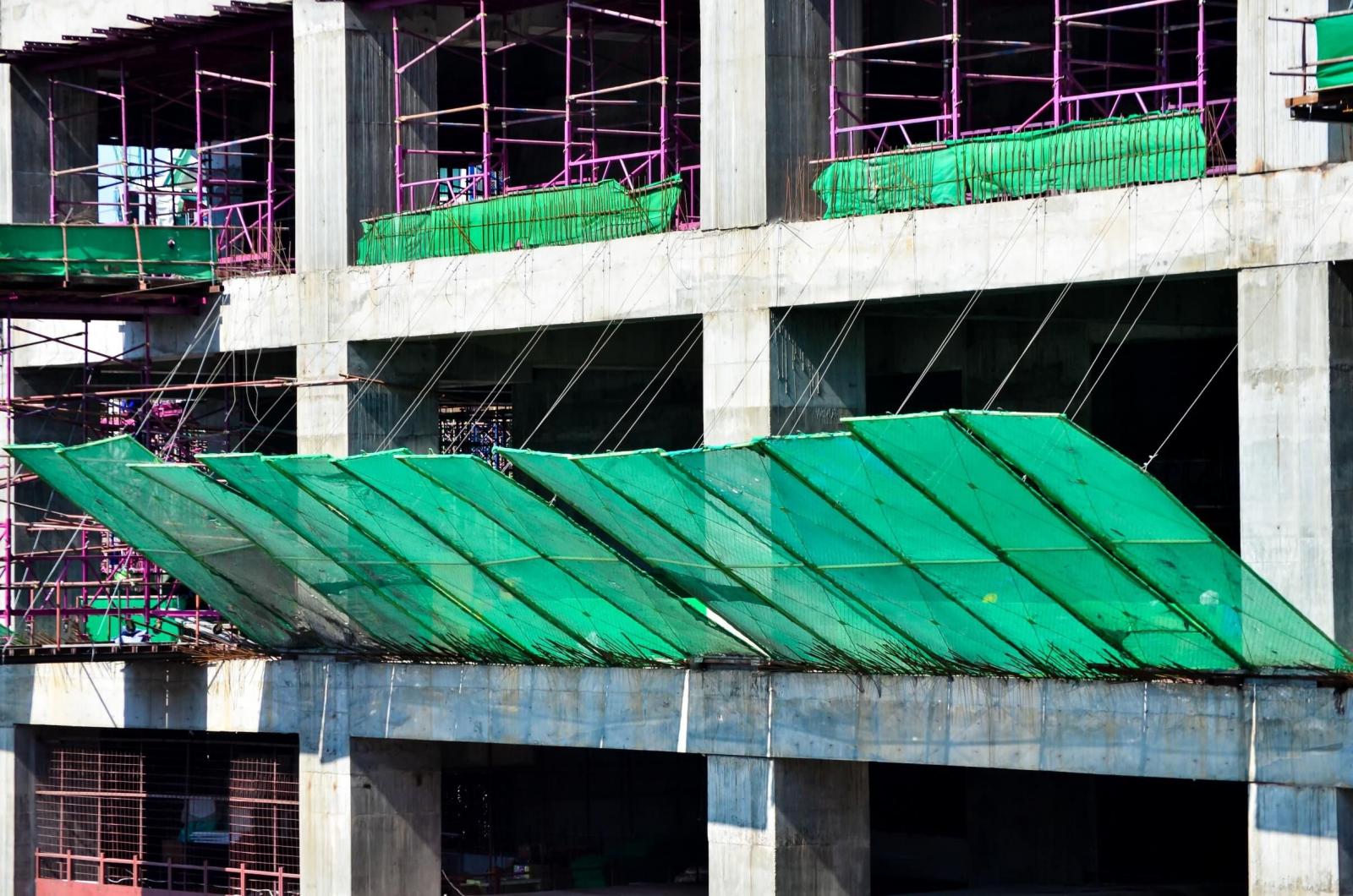
What is a fall arrest safety net and why is a safety net important? We explore the importance of fall arrest safety nets, their pivotal role in construction and high-altitude jobs, and the undeniable importance of safety nets in preventing workplace accidents.
When should a safety net be used?
Safety nets form an integral part of a comprehensive fall protection plan, particularly for work at height. They serve as a passive fall prevention system, reducing fall distance and absorbing energy, thus minimising injury risk. However, they should not replace fixed barriers such as guardrails or lifeline systems but rather supplement them when these methods are unfeasible.
On construction sites, for instance, where installing fixed barriers may be impractical, safety nets become essential. The choice of the net, its mesh size and material, should be determined based on factors like potential fall distance and the weight of a person or objects, adhering to safety standards like EN 1263-1.Moreover, a competent person must oversee the installation and removal of these nets, according to the manufacturer's guidelines.
Do You Need A Safety Net For Working At Height?
Regular maintenance and testing of safety net systems are also vital. This ensures the good condition of the safety netting, border rope, and other attachments, reducing the chances of damage and system failure.
For further information on safety nets and their proper use, contact us. Safety nets should be part of an overall strategy for fall prevention when other measures are impractical. They create a safer working environment by providing a backstop against falls, helping to protect workers and reduce onsite injuries. Thus, ensure your nets comply with all necessary safety standards and are always up to the test.
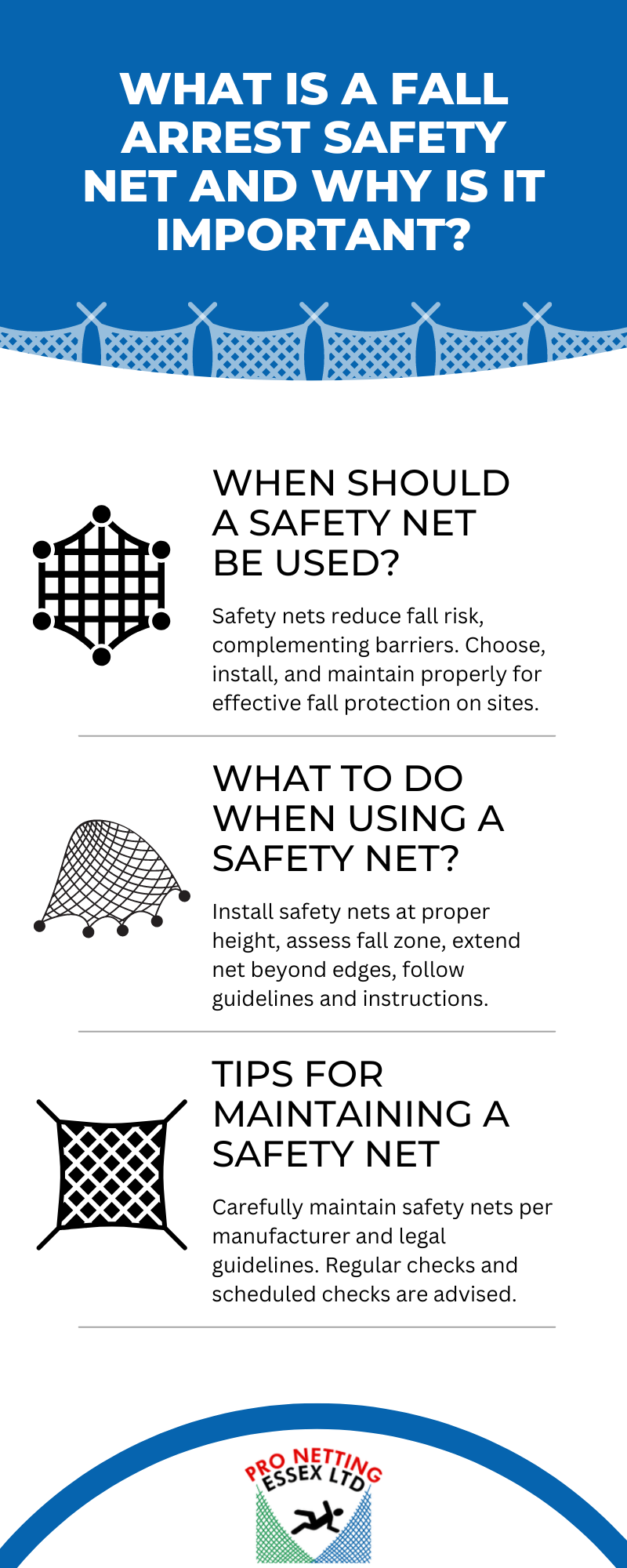
What Is A Fall Arrest Safety Net And Why Is It Important?
What should be done before using a safety net system?
Before implementing a safety net system as part of a fall protection strategy, a comprehensive plan should be devised. This plan needs to outline the methods to control or eliminate fall hazards tailored to each specific worksite.
The fall protection plan should stipulate procedures for assembling, maintaining, inspecting, and dismantling the safety net or fall arrest system. It should also encompass rescue protocols for fallen workers caught by the net, who are unable to self-rescue.
When choosing a safety net, the decision should factor in its intended use, location, potential load, usage duration, and local weather conditions.
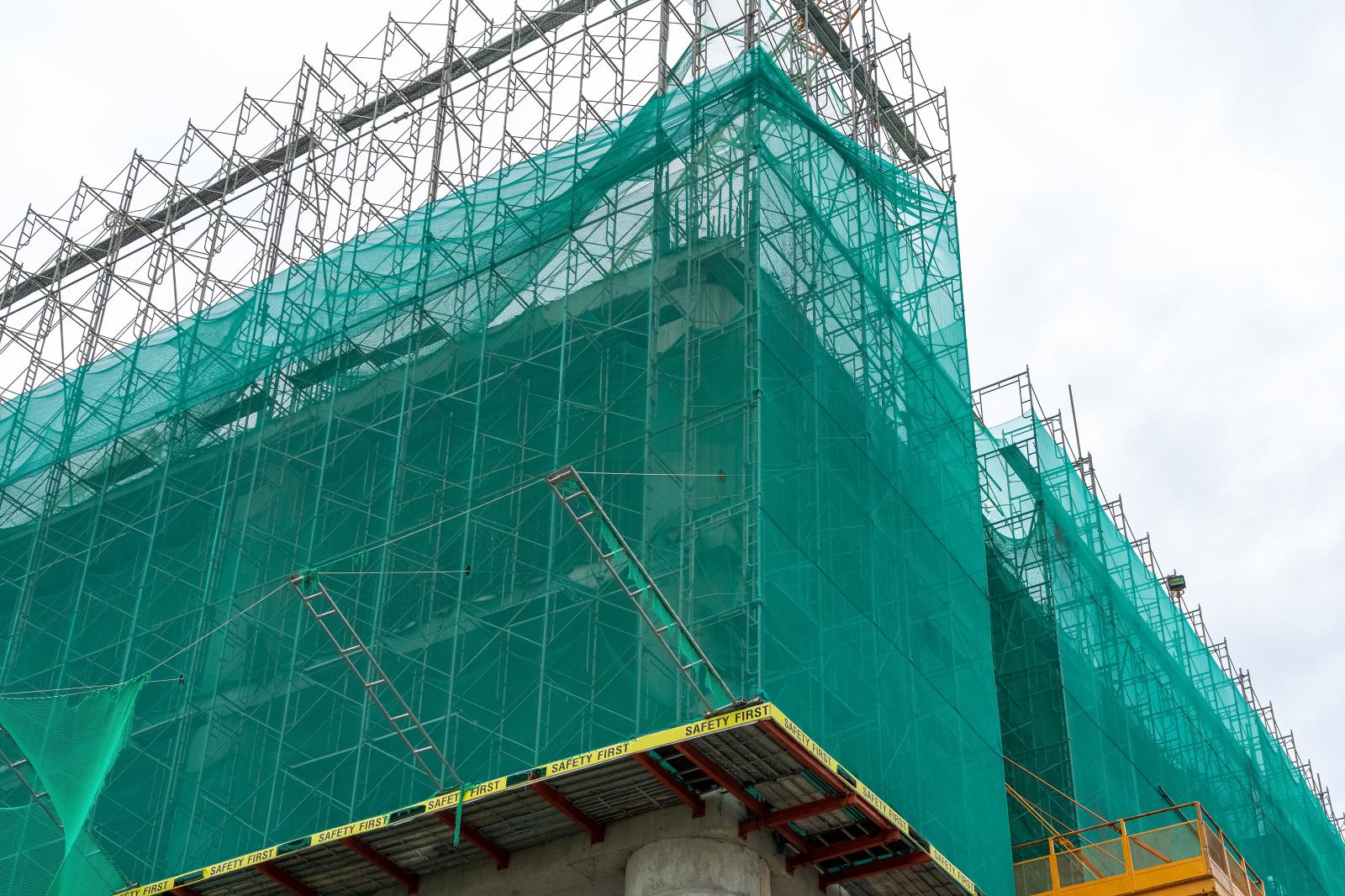
Moreover, these considerations should align with the manufacturer's specifications and the local safety requirements.
Remember, safety nets should only be employed to catch falling workers when the drop zone is clear. If a worker could potentially come into contact with nearby structures or objects during a fall, it may be prudent to explore other fall protection methods to further minimise the risk of injury. It's always imperative to adhere to the safety guidelines specified for your jurisdiction, keeping the safety of workers as the prime concern
Which jurisdiction requires the use of specific fall protection measures?
Different jurisdictions typically have specific regulations concerning fall protection measures, especially when a worker's fall could exceed 3 metres (10 feet).
However, these can vary, so it's crucial to consult local occupational health and safety laws. Laws often stipulate the use of fall protection measures, like safety nets, in addition to personal protective equipment (PPE). For example, in some jurisdictions, nets must comply with standards such as ANSI/ASSE A10.11-2010 (R2016) for Construction and Demolition Operations.
Some jurisdictions may require a certified installer or professional engineer to oversee the safety net installation and conduct pre-use testing. Regular maintenance, record-keeping, and fall protection training for workers may also be mandated, enhancing worker awareness about the risks of working at height and preventive measures. For definitive requirements in your jurisdiction, including the use and maintenance of safety nets, contact your local health and safety authority. They can provide accurate, up-to-date information to ensure your work site is compliant and safe.

When safety nets catch debris?
When safety nets capture debris, they can become compromised in their ability to effectively prevent falls. Debris remaining in the net during work may damage the safety net system or pose a hazard to workers in case of a fall.
The debris may cause injury to a person falling into the net, exceed the net's weight or size capacity, or cause the net to sag, thus increasing the falling distance for workers.
Hence, it is paramount that all work above and below the safety net is halted for debris removal.
Furthermore, the accumulation of snow or ice should be promptly eliminated before work can resume. The process of debris removal is crucial to maintaining the functionality of the safety net system and ensuring the safety of all workers on site.
Regular maintenance and inspections of safety nets will also assist in identifying any potential damage caused by the impact of falling objects or harsh weather conditions. By adhering to these procedures, we can significantly reduce the risk of injury and ensure that safety nets continue to perform their vital role in fall prevention
What should be done when using a safety net system?
When utilising a safety net system, certain vital steps must be undertaken. Firstly, ensure the nets are installed at an appropriate height as mandated by your local jurisdiction, thereby preventing a falling worker from colliding with the ground or other objects. A thorough assessment of the potential fall zone is crucial to identify obstructions, as falls may occur from diverse angles, not just vertically. Furthermore, the safety net should protrude at least 2.5m beyond the work area's edges. Strict adherence to best practices is key:
- Comply with the manufacturer's instructions during installation, usage, and maintenance.
- Use the net only when it's correctly installed.
- Position the net to prevent contact with sharp edges.
- Conduct routine debris removal from the net and initiate pre-shift inspections.
- Regularly test the net for strength and durability, considering elements such as UV exposure, weather conditions, and wear and tear.T
- Test the nets post-relocation or repair.
- Avoid inappropriate actions such as jumping into the net or hurling objects into it, and never drag the net across the ground.
By following these guidelines, a safer working environment can be ensured when using a safety net system.
Tips for maintaining a safety net system?
Maintaining a safety net system necessitates meticulous care, adhering to the manufacturer's specifications and legal requirements. Daily checks, or those as frequently suggested by the manufacturer, are essential. A safety net displaying any form of damage should not be in use.
Immediate cessation of work and prompt repair are crucial when a damaged safety net is detected. Various factors can impair a safety net during usage or storage, such as UV exposure, harsh weather, sharp objects, sparks or heat exposure, and general wear and tear.
When carrying out visual inspections, consider the following factors: proper installation, presence of cuts or abrasions in the material or mesh, signs of heat or friction damage, defective stitching, damaged fittings, debris caught in the net, defects in knotted mesh, and other indications of deterioration.

Safety net systems must undergo regular testing which includes checks upon installation, before every work shift, scheduled inspections by a supervisor or a competent person, and after exposure to severe weather conditions. It's also crucial to have the safety net examined by the relevant authority following an impact from heavy objects or people.
Maintaining records of all inspections, tests, repairs, and replacements is vital, clearly noting the date of action and the individual involved in the task. This diligence helps ensure the continuous effective functioning of the safety net system, promoting a safer work environment.
If you are working on a construction project in Suffolk, Cambridgeshire, Hertfordshire, Kent or London, you will be considering the safety requirements of your workers. Follow the links below for fall arrest netting hire, crash bags hire and edge protection hire.
Fall Arrest Safety Net Hire Hertfordshire