
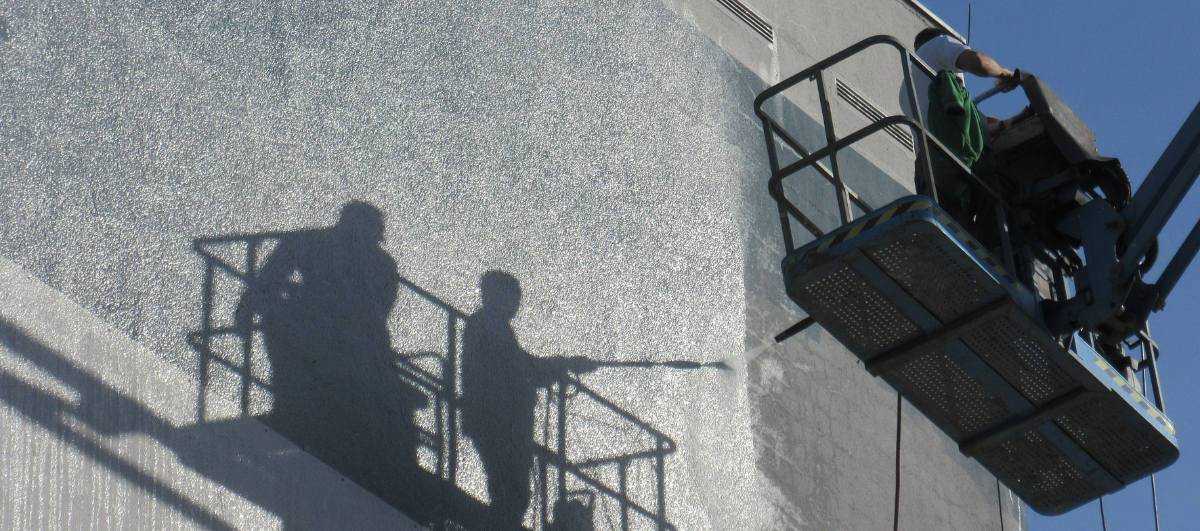
Working on a construction site can be dangerous if proper care is not taken. This article gives simple advice on how to avoid common accidents. It explains easy steps that everyone on site should follow. Using the right tools, following safety rules, and reporting hazards are all important ways to keep the site safe.
Identifying Common Accidents
Construction site safety is crucial to preventing workplace injuries and ensuring the wellbeing of workers. Common construction site hazards include falls from heights, slips and trips, being struck by falling objects, and accidents involving heavy machinery. Electrical hazards, such as electrocution, also pose significant risks on construction sites. Identifying these risks is the first step in accident prevention.
Hazard reporting plays a key role in maintaining construction safety. Workers must be encouraged to report unsafe conditions promptly. Adhering to OSHA safety standards and implementing workplace safety guidelines helps reduce the likelihood of incidents. Safety training ensures employees understand potential risks and the best practices for mitigating them. By recognising common hazards, construction site organisation can be improved to reduce dangers.

Reducing Risks of Falling Objects
Preventing falling objects is a vital component of construction safety. Tools, materials, and debris can pose serious risks if they are not handled correctly. Construction site organisation should prioritise the proper storage and secure placement of all equipment and materials.
Using safety equipment like tool lanyards and installing protective netting or barriers are effective measures for accident prevention.
Workers should always wear personal protective equipment (PPE), such as hard hats, to minimise injuries from falling objects. Scaffolding safety protocols should ensure that tools and materials are never left unsecured at heights.
Regular inspections and adherence to OSHA safety standards help maintain workplace safety. Technology, such as tool tracking systems, can also aid in reducing risks. Comprehensive safety training ensures workers are well-informed about proper procedures to prevent falling object incidents.
Strategies to Prevent Falls from Heights
Fall prevention is essential for reducing workplace injuries on construction sites. Scaffolding safety measures must be prioritised, ensuring all platforms are stable, properly assembled, and equipped with guardrails. Workers should always use safety harnesses and other PPE when operating at heights.
Safety training is key to preventing falls. Workers need to understand the importance of proper ladder use, including securing ladders and placing them on stable surfaces. Ensuring clear communication about high-risk areas and marking them appropriately contributes to overall construction safety.
Construction site organisation can further reduce risks by keeping walkways free of clutter and ensuring that tools are stored securely. Emergency procedures should also be in place to address any fall-related incidents promptly. By following workplace safety guidelines and implementing best practices, fall-related hazards can be significantly reduced.

Minimising Slips and Trips
Slips and trips are common construction site hazards that can lead to serious workplace injuries. Construction site safety can be improved by maintaining clean and organised work areas. Loose cables, spills, and uneven surfaces are frequent causes of slips and trips and should be addressed immediately.
Workplace safety guidelines recommend the use of signage to alert workers to wet or hazardous areas. Ensuring proper footwear with slip-resistant soles is another effective accident prevention measure. Regular inspections should identify and mitigate risks, such as damaged flooring or poorly lit areas.
Safety training should include strategies for recognising and addressing potential slip and trip hazards. Technology, such as automated alerts, can also help in identifying risky conditions. By fostering a culture of hazard reporting and implementing preventive measures, construction sites can minimise these common risks.
Preventing Electrocution Hazards
Electrical hazards are a significant risk on construction sites and require strict adherence to safety protocols. Proper training ensures workers are aware of the dangers of working near power lines or electrical equipment. Following OSHA safety standards is essential for reducing the risk of electrocution.
The use of insulated tools and PPE, such as rubber gloves and boots, is vital for workplace injury prevention. Construction safety can also be improved by ensuring that electrical systems are installed and maintained by qualified professionals. Regular inspections of wiring and equipment help identify potential hazards before accidents occur.
Emergency procedures should be in place to address electrical incidents promptly. Clear signage and barriers should warn workers about high-voltage areas. Technology, such as ground-fault circuit interrupters (GFCIs), adds an additional layer of protection. By prioritising electrical safety measures, construction sites can significantly reduce the risk of accidents.
If you are working on a construction project in Suffolk, Cambridgeshire, Hertfordshire, Kent or London, you will be considering the safety requirements of your workers. Follow the links below for fall arrest netting hire, crash bags hire and edge protection hire.
Construction site safety nets Suffolk