
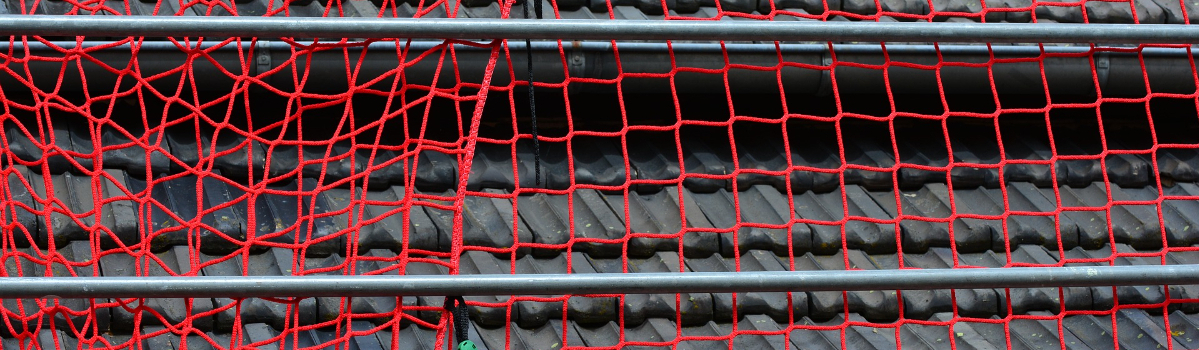
What are the UK requirements for fall arrest safety nets? We look at all you need to know about the purpose of safety nets in construction and when you need to use them.
Why are safety nets used?
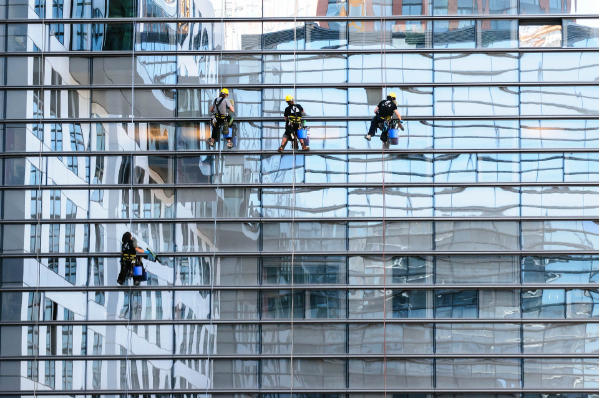
Workers who fall from high places are known to get serious and life-threatening injuries. Some mechanisms are in place to protect the construction workers as much as possible, but they do have some limits.
The safety nets are used to save as many lives as possible and are used in many industries to protect their workers. These nets reduce the injuries sustained from the fall by absorbing the energy from the falling person. Due to the proximity to the workers on the level, these are generally used as the primary means of protection.
Purpose of safety nets
The purpose of these safety nets is pretty simple and obvious. They are in place to protect the workers and other people who need them while working. They are used to absorb the impact of people or objects falling into them and are used as a primary safety feature for workers working at height.
Legal requirements of safety nets
As you might have guessed, there are some laws to protect the workers as much as possible.
The health and safety in Employment act 1992 (Also known as HSE Act) requires that any steps taken to prevent harm to those working should be taken and put into practice properly and safely. These steps should be used to avoid or protect workers from being harmed.
Many people have responsibilities under the law, and these include:
Employers:
Employers must provide and ensure a safe working environment and facilities necessary for health and safety. They should also ensure that any plant used by employees is designed, maintained, made and arranged to be as safe as possible for employees. This is stated in HSE act S.6
Self-employed:
The self-employed must also ensure that any action or inaction taken does not cause harm to yourself or others around you at any time.
Principals:
They must take all steps that can be put into practice and ensure no one is harmed while their work is being completed.
Hires, leases or loans:
Anyone who is hiring, leasing or loaning a plant or other equipment which are going to be used in a workplace must provide and ensure the plant and equipment is designed and maintained for the current job and is made safe for its intended use.
In short, this means that if a worker can fall from a height, all practicable steps should be taken to prevent the workers from being injured. This does not matter whether they are working from height for an extended period or short.
Who's rigging your netting?
Who is setting up your netting is very important? The netting is going to be used to protect your workers from harm and safety measures. With the current duties being placed on employers and clients by CMD and Work at Height Regulations, it is essential to hire a company that you are 100 per cent sure of and can trust with your worker's safety.
One of the simplest and safest methods to ensure your workers are safe and the safety measures you put in place are being installed correctly is to use FASET members. Ensuring the company you are hiring is a FASET member will be a good idea as they hold all the suitable and valid insurance that you will require from installers, they employ the most qualified personnel for installations, follow strict installation procedures by bs 8411, bs en 1263-2 and the FASET guidance.
The SLS or Soft-landing system is designed to absorb the imp They also have adequate safety procedures and policies in place and supervisory staff for extra safety act taken from the fall without leaving the workers with severe injuries. Although having some FASET trained personnel is good, this does not mean they are a FASET member. You can check whether they are a FASET member on the FASET website to ensure they are safe.
Are the nets used safely?
Whether the nets are being used safely means you should be following BS EN 1263-1. This regulation includes inspection, annual UV testing and repair and maintenance procedures. These are some of the overlooked procedures, but there are many more within the regulations.
With each net unit, they should have an ID tag. This ID tag should include the date of its manufacture, net system/class, net size, reference to the standards of the products. This unit should also have a unique serial number that allows it to be traced if necessary.
Do you have a rescue plan in place, and has it been practised?
There should always be rescue plans in place if someone does require it from the net. Although having a plan is a good start, you should always have more than one plan if it does not go as expected.
The rescue might include going from the top-down, cutting through the netting and going through the bottom or other methods if needed.
Each rescue method used is different from before and depends on the circumstances, and the problems should not be treated and executed as though they are the same.
How far can someone fall into a safety net?
Under Temporary Works Equipment 2014 BS EN 1263 -2, the safety requirements state the limit for proper fall height into a safety net is 6m, roughly 7m from a person's centre of gravity.
In regulation 6 of the Work at Height Regulations 2005 deals with avoiding risk from working at height.
Within this regulation, it requires that if falls cannot be prevented, measures should be put in place such as:
Try to minimize the distance and consequences of the fall as much as possible. However, reducing the fall distance in many situations is impossible, so reducing the consequences is more important.
When should a safety net be inspected?
Before any workers go above and need it, there should be a visual inspection before commencing any work above. Also, you should aim to have the rid sent back after each contract to have it inspected to ensure it is safe for the next contract.
If you are working on a construction project in Suffolk, Cambridgeshire, Hertfordshire, Kent or London, you will be considring the safety requirements of your workers. Follow the links below for construction site safety nets, crash bags hire and edge protection hire.
Construction Safety Netting Fall Bags For Hire Edge Protection Hire