

This article looks at who is responsible for building site risk assessment. Find out more about the unique health and safety risks which needs to be understood for each construction site.
Risk Assessment for a Construction Site or Plant
Depending on the scale of your construction site, you will have to complete a different risk assessment. Every plant or site has unique health and safety risks presented and tailored to your elements and work environments. As an employer, there are strict legal requirements outlined by the Management of Health and Safety and Work Regulations of 1999 (MHSWR) to complete sufficient assessments, ensuring that the protection of all employees and site visitors is the priority.
As an employer, you must be able to provide professional advice on the construction work occurring on your site. You will delegate this take among the site managers, and if there is a contractor involved, they will be updated too.
Keep reading this article if you are looking for more information on how risk assessments are carried out and what type of construction sites need one.
The law on construction health and safety
The health and safety of anyone on a construction site or plant are of the utmost importance, as the employer or site manager is responsible for ensuring that it is maintained.
This will not only give your employees peace of mind that their safety is being considered, but you need systems in place and paperwork available for inspectors and other professional bodies when needed.
In 1974, the Health and Safety at Work Act (HSWA) outlined the duties and responsibilities of all employers for their businesses.
This document encases everything you are legally bound to complete before work can begin, including filling out and completing risk assessments for construction size hazards. The health and safety executive must be present on any site, ensuring that control measures and safety risks are implemented.
You are also completing these assessments for the general public, as they need informing of all loud work, vehicles moving, and any other equipment that could disturb them.

What construction site risk assessments do I need to carry out?
Building site employees and the general public that will be affected are your main priorities, but a risk assessment isn't the only document you must complete.
All examination reports, inspection reports, CDM planning and filing, injuries, and dangerous occurrences must be documented as outlined by the guidance in the Health and Safety at Work Act of 1974. Generally, the type of risk assessment you must complete for a construction site workplace falls into a specific and general assessment.
General Assessments
You may hear the words 'specific findings' or significant findings when researching risk assessments of your construction site or plant, and we will discuss that, as you will need to fill out forms with all results. If your site is near the public or involves members of the public, your general assessment will cover their health and safety too.
Within a general assessment, you should identify all risks, who is at risk, record all findings and ensure you are prioritising risks. The building, tools and equipment, materials and manual handling are among the most common risks on any site, and from there, you should identify who is at the most risk from each individual one. This ranges from contractors, engineers, builders, site visitors, architects and even the public who could pass through or be located nearby.
Prioritising the risks gives you an idea of what is likely to happen, the injury or result if that hazard happened and what precautions you need to put into place. For example, someone falling when working at a great height is a greater risk that should receive more priority than someone standing in the reception area. There are risks in both locations, but the hazard is greater in one of them, and the availability of emergency services and local councils should be aware of these operations.
One risk assessment is never enough either, so you should regularly assess the review and update the assessment to ensure that all new parties and operations are safe.
Specific Assessments
A specific risk assessment branches from the main assessment and allows you as the employer to focus on particular aspects of your operation in more detail.
If you have employees working at height, with noisy machinery, vibrations, lead or excessive manual handling, you will need to carry out a risk assessment for those jobs. If five or more people are working across your site, you must complete a specific assessment.
Appropriate control measures should be inspected and installed for each risk identified in the risk assessment across the construction project. For the most part, these preventive measures and safety plants are commonplace but must be assessed and serviced regularly. For example, lifting equipment should aid workers as they handle and manoeuvre heavy objects.
Site managers should view specific assessments as more than a gruelling task and instead as a method statement to manage risks.
If you know where the fire service is, you can recall the safety file and ensure that construction work is halted in an emergency, but this can only be done when the contingencies have been planned out.
Identifying the Potential Hazards on a Construction Site
Despite each construction site being unique, there are still common hazards that you should begin identifying before any work is completed. Construction and plant site injuries are more likely to be fatal than other industries. This is because of the type of work and machinery being used.

The potential hazards you should expect are falling from a height, tolls and equipment failure, foot traffic and access points, vehicle movement, public walkways and pedestrian areas and more.
Falling from a height can lead to severe bodily harm, sprains, strains and even death in some cases.
Electrical appliances and machinery are being used by electricians, engineers and builders across your site, which must be kept in suitable condition and be regularly serviced.
You should also consider the noise levels of machinery and the area, as, without proper safety equipment, your employees can experience lifelong health conditions.
Your employees should wear correct personal protective equipment (PPE), such as earmuffs and helmets, to protect themselves during these operations for health and safety purposes.
Where fires could break out, you must ensure that access points and proper signage are provided on your site to ensure a good flow of people in the event of a fire or other event. Even in situations where no fire is present, your site must have good signage to ensure traffic management is good and it's clear to pedestrians and members of the public what nature of work is going on.
Who Is Responsible for Carrying Out Risk Assessments?
Depending on the department that needs a risk assessment completed, the site manager, site foreman and any necessary supervisors are tasked with completing all reports and paperwork. The principal contractor should enforce the rules. Every team leader will need to convey to their respected team how the safety precautions have been established to protect their health and ensure that everyone follows guidelines.
This then carries into the responsibility of the workers, as they must use the tools and equipment safely and are responsible for their actions once you have established safe practice to them. Beyond that, you do have many duties as an employer.
The Health and Safety at Work Act of 1974 (HSWA) outlines that an employer must:
Provide training, supervision and instruction
Provide welfare facilities
Ensure a safe working environment
Safe plant, secure systems of work
Adequate storing, handling and transporting of substances
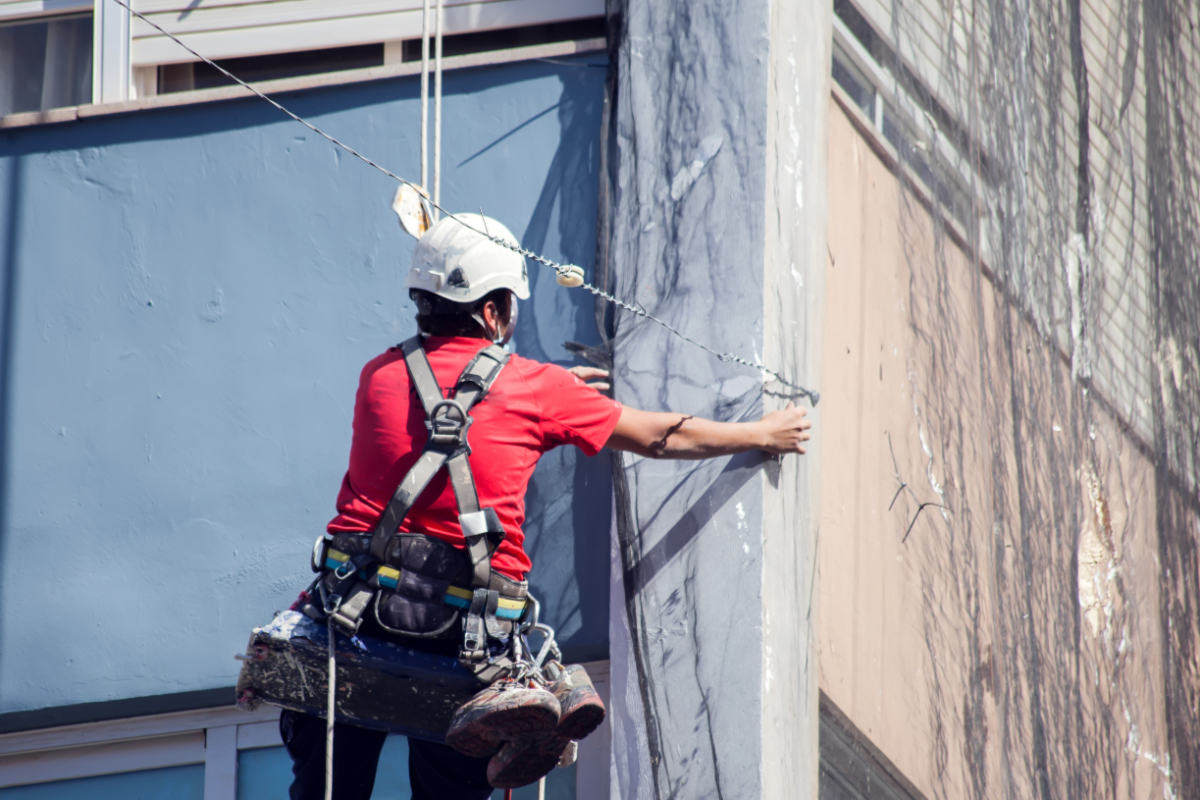
You are also guided by the Management of Health and Safety at Work Regulations. You must carry out all risk assessments, identify control measures you have established for each risk, and document planning and monitoring of the health and safety of each employee.
Where you are cutting corners, this will be obvious, and you need a level of accountability for your employees when hiring and setting jobs. While there could be more than one contractor on a given site, each member must understand the risks of hazardous substances, how to deal with dangerous incidents and ensure that the construction phase runs smoothly and safely.
In the event of a dangerous incident or event, method statements must be completed for legal and safety purposes. Thorough examinations and maintenance of all equipment and site tools will be conducted to assess the future process and safety measures.
If you are working on a construction project in Suffolk, Cambridgeshire, Hertfordshire, Kent or London, you will be considring the safety requirements of your workers. Follow the links below for construction site safety nets, crash bags hire and edge protection hire.
Construction Site Safety Nets Fall Arrest Bags Hire Roof Edge Protection Hire