

This article looks at the common uses of soft landing systems (SLS). We look at what a soft fall landing system is and how a soft landing systems works.
What Is A Soft Fall Landing System?
SLS, Soft Landing Systems, are supplied in various forms, including air-filled bags, mats, or soft filled bags. Many industries throughout construction, building projects and even in other niche fields, such as on film or TV sets when there are stunt doubles re-enacting falls from heights. However, commonly they are used for those working at height to reduce the risk of injury and minimise the impact the falling person is subjected to.
Fall arrest systems can include a range of equipment required to ensure your workers or personnel aren't at risk of serious injuries when you cannot avoid working at heights or beside a fall hazard area. While the equipment and methods only arrest the fall and do not prevent it, installing them alongside prevention tools and devices is better, just in case.

Air landing Bags
Air landing bags contain numerous individual air pockets, meaning that you'll need to invest in fewer bags to cover the area you require. The airbags are best for those individuals working at heights of around 2.7 metres.
To protect those working at more extensive heights, you can have units securely laid on top of one another; for example, add a second layer of these bags to protect those working at 3.4 metres.
Every landing bag offers an equal level of fall protection support as they are all provided and supplied to businesses ready-filled. Using these, your operator isn't responsible for inflating them on-site, as they are provided with the correct inflation level.
Soft landing Bag Cylinders
Any soft landing bag cylinder is most suitable for environments with limited space. Its insides contain polystyrene creating a soft and reliable landing surface for workers.
However, high-quality woven polypropylene makes up its outside material outer and protective casing. Such material makes it best for wet environments and outdoor projects when you are more exposed to the elements, for example, docks and ports.
How Does Soft Landing Systems Work?
Soft fall landing systems are put in place to reduce the injury and impact of a workplace fall. The airbag helps absorb the person's weight to cushion them and take any strain away that they would feel if they hit a hard or fragile surface.
Companies find it critical to have a competent person on-site to install and inspect the SLS to ensure its adequately inflated and correctly positioned to suit the height of any falls because there are still risks even with this equipment.
One risk is that bottoming out could occur when the landing bag begins to deflate, ultimately reducing the protection levels as workers have more chance of coming into contact with the ground. Even with soft landing systems (SLS) in place, it is virtually impossible to eliminate all possibilities of injury.
The increase of the height and velocity of a person falling can make the impact with the SLS or ground much more forceful. However, SLS allows you to simply reduce the rate of acceleration and strain on various body parts, such as the knees, back and ankles.

EFFECTIVENESS OF SOFT LANDING SYSTEMS
There is plenty of evidence to indicate the overall effectiveness of SLS (Soft Landing Systems) due to the pushbacks and queries from the HSE (Health and Safety Executives) when they were initially considered.
Evidence shows that when a person falls a tad less than the typical fall arrest height, 2.3 - 2.7m, onto a correctly installed soft landing system, the deceleration and overall forces they encounter during the impact are tolerable for most humans working on-site.
Injury risks are also far lower than the thickness of the SLS, allowing those falling to avoid bottoming out. Its energy dissipation prevents any bouncing that generally results in injuries or other damage.
Alternatively, it is best to be prepared for; for example, your worker may land by the edge of your soft landing system. There could also be physical obstructions in the way within your enclosed space or site, or the falling person could strike objects or other people that previously fell onto your SLS.
Inspecting Your Soft Landing Systems (SLS)
Any workers or companies using SLS must have the proper training to position it and maintain it accurately. You may even want to get in touch with the contractors or suppliers of the SLS to inspect it for you if you feel you need further care and inspection. It's paramount to undertake several inspection checks before usage so that everything can be in working order, whether long or short durations.
You may find a few signs of damage that must be rectified or repaired. We advise that your team of professionals or a competent person inspect the following whilst on-site:
- Check that your SLS is secure and placed correctly to protect your workers on platforms suspended beneath higher floors or above.
- Ensure your SLS is not affected by damage; you want to purchase soft landing methods that withstand harsh weather conditions and various potential issues.
- Check the level of inflation to ensure its correct for use. It has to be soft enough to cushion the fall but not enough to create a bounce that could lift them off the SLS and cause injury.
It's good to ensure your soft landing system has been thoroughly inspected within a minimum of seven days before your construction project. You'll want to assess the system for any deflation or other damage to ensure it's stable and robust enough for fall arrest. When working at heights, your staff's safety is essential and outweighs the potential costs and time to have your landing bags thoroughly inspected by a competent person every time you set up before work.
When Do I need To Use A Soft Landing System?
Soft landing systems supply workers with a practical solution designed to minimise the injuries and overall impact of a fall within the working area from great heights. Soft landing systems provide incredible flexibility and durability with a wide range of weights and sizes suitable to fit various spaces and changing environments.
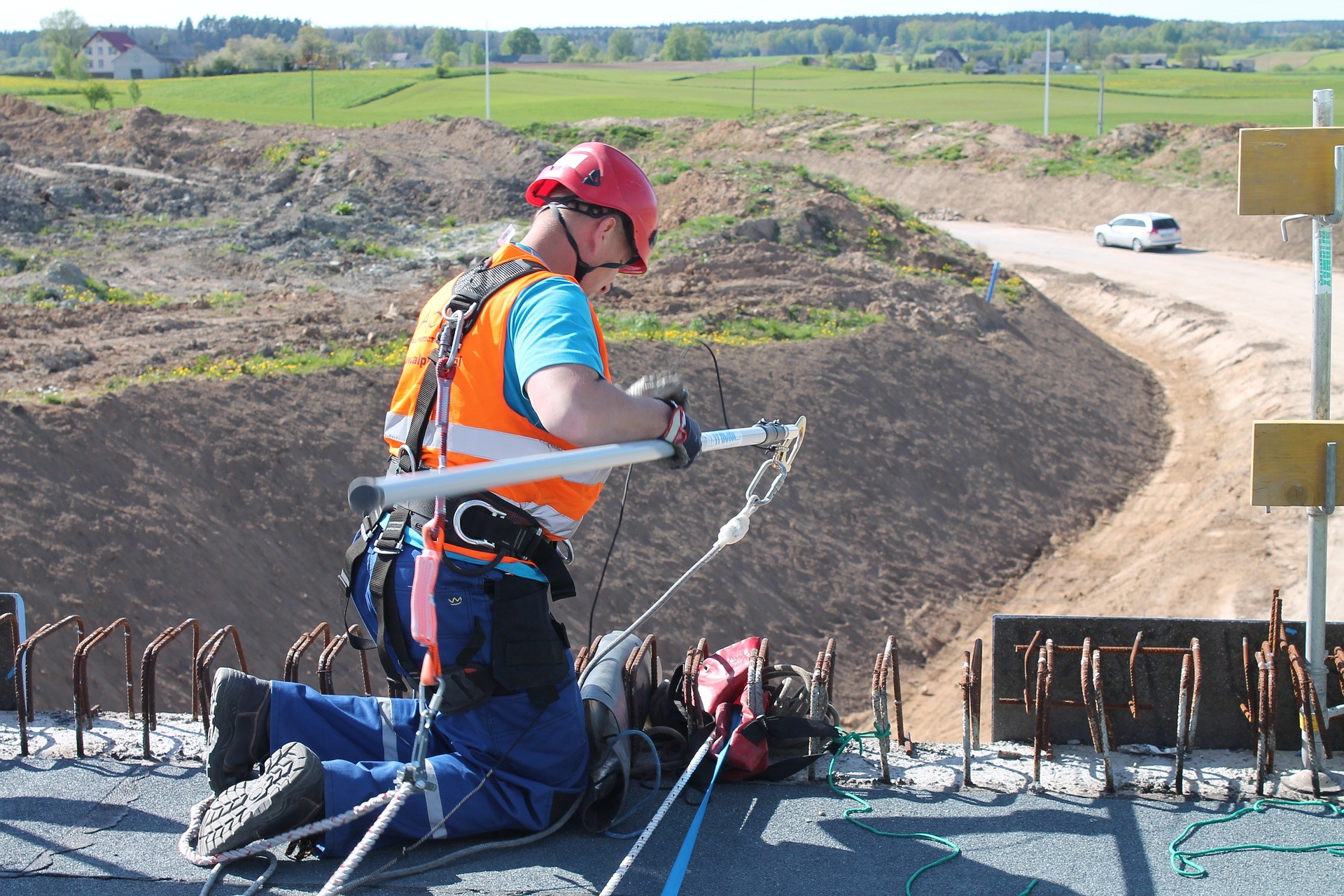
However, you must not utilise a soft landing system without other fall prevention or fall arrest forms. On the hierarchy of safety measures, anyone using soft landing systems must be installed alongside various other methods of protective equipment, such as guardrails, scaffoldings, safety platforms and harnesses.
If you are working on a construction project in Suffolk, Cambridgeshire, Hertfordshire, Kent or London, you will be considring the safety requirements of your workers. Follow the links below for construction site safety nets, crash bags hire and edge protection hire.
Roof Safety Nets Cambridgeshire Soft Landing Systems Hire Cambridgeshire Edge Protection Hire Cambridgeshire