
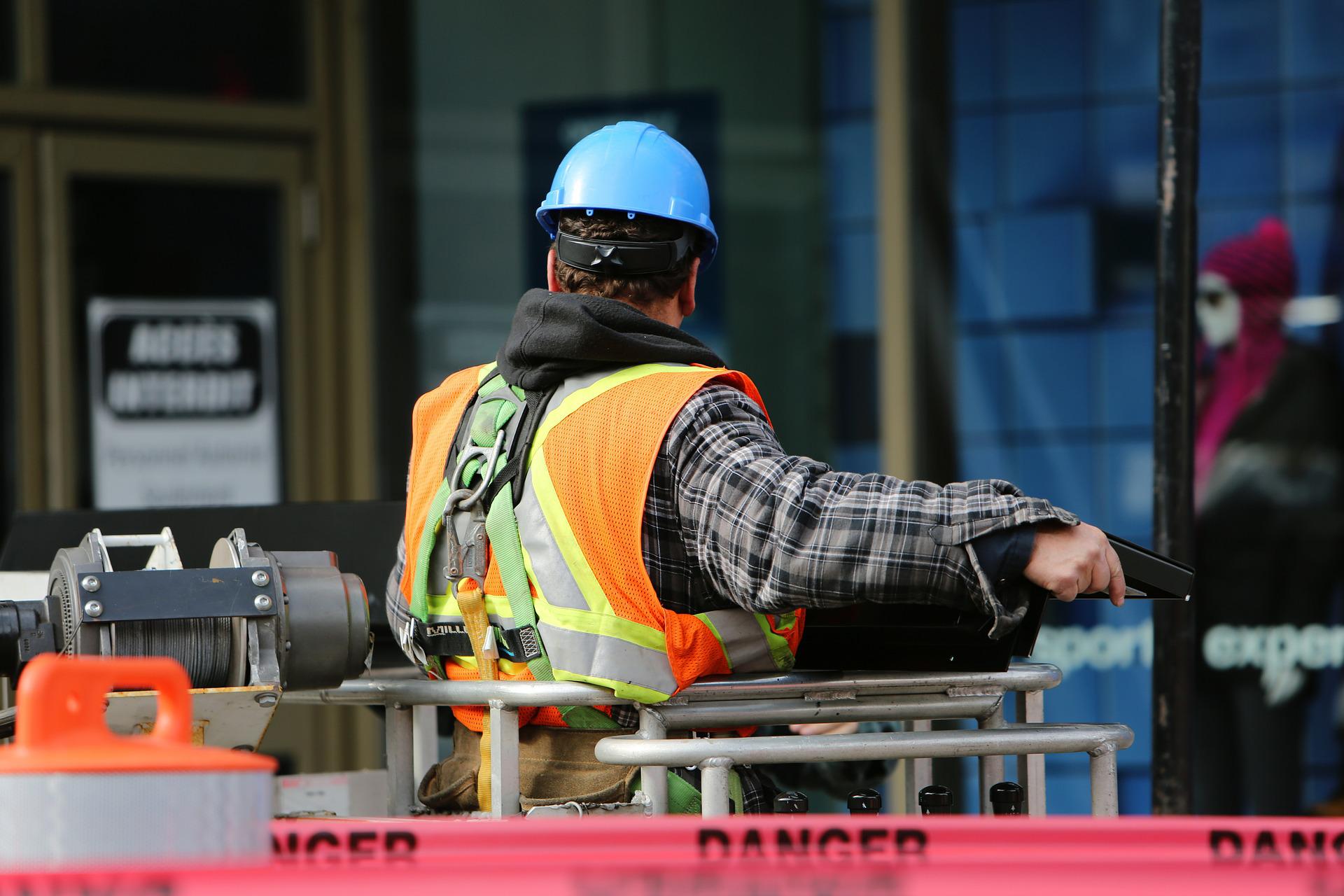
Who do fall arrest nets protect? Uncover the range of professionals and industries that rely on these essential safety measures, highlighting the importance of nets in ensuring a safe work environment in elevated conditions.
Pro Netting Solutions provide construction site safety nets for Suffolk, Cambridgeshire, Hertfordshire, Kent and London. Learn how fall arrest nets are a vital component in minimizing workplace hazards and accidents.
Safety Net Systems Installation In The Workplace
Safety net system installation is vital in workplaces where elevated tasks take place, providing both personnel fall safety and debris containment. These nets serve as reliable safety equipment, limiting the fall distance for workers, equipment or construction materials, and arresting flying objects. Safety nets are versatile and can be used in a myriad of environments.
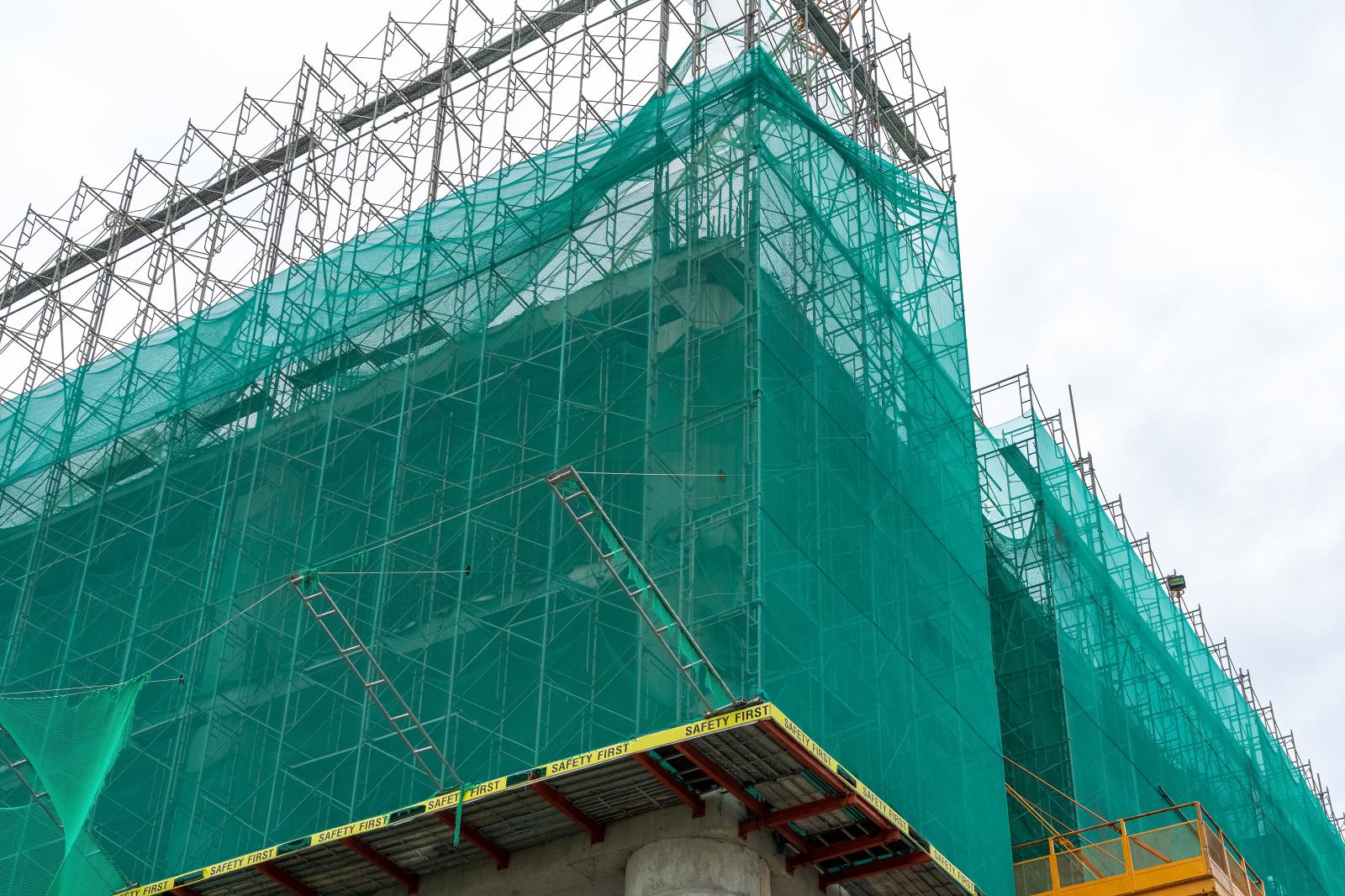
For instance, in commercial workplaces, they can be installed on scaffolding to secure work areas. In industrial construction sites, especially during new construction, they can act like a cocoon or guardrail, encircling the building's perimeter. When working on or under bridges prone to falling debris, safety nets can protect both workers and pedestrians below.
Additionally, rooftops can be equipped with safety nets to serve as guardrails where other fall protection measures are not present. Moreover, these systems can also act as a barrier to prevent injuries or damage to people and structures within the immediate vicinity of the worksite. Overall, safety net system installations are crucial in promoting a safe working environment in various industrial and construction settings.
Remember, the objective of safety nets is not only to ensure worker safety from falls but also to contain falling debris, therefore protecting surrounding structures and individuals.

Who Do Fall Arrest Safety Nets Protect?
Construction Safety Risks at Height
The perilous nature of working at height in the construction sector cannot be understated. Regrettably, falls are a principal cause of significant work-related injuries and fatalities.
For instance, according to the Ministry of Labour Statistics in 2019, 880 workers succumbed to fatal falls, either on the same level or at lower levels. In addition, over 244,000 workers suffered injuries that forced them to miss at least one day of work.
This data encompasses a wide range of sectors, including private industry, state, and local government. Amongst them, the construction industry bears the brunt, witnessing the most substantial frequency of fall-related deaths.

The inherent hazards associated with construction work contribute to this unfortunate statistic. However, there is an avenue for optimism. These calamitous accidents are wholly preventable. The diligent and proper employment of fall protection devices, such as safety nets and fall arrest systems, can drastically curtail these figures.
When these systems are correctly installed and utilised, they form an effective bulwark against falls, protect workers, and, critically, save lives. The crux is the need to provide comprehensive information, meticulous training, and appropriate equipment to all workers operating at height.
At what height is fall protection required?
In accordance with the UK's Health and Safety Executive (HSE), employers are obligated to implement fall protection measures if employees could fall a distance liable to cause personal injury. There's no specific height that triggers these requirements, it's about understanding and managing risk.
Prior to work commencement, safety measures such as guardrails, personal fall arrest systems, or safety net systems must be introduced as appropriate. The selected method will hinge on the job site's unique conditions. Ensuring these measures align with safety standards is crucial to safeguard worker well-being.
General requirements for safety nets
To prevent injury, the nets should be installed in a manner that prevents any falling individual from striking any object below. Regular inspections of safety nets are necessary, at least once a week, to check for wear, damage, and any deterioration that could compromise their integrity. The nets must be reassessed after any occurrence that could affect their structure, such as an object falling into them.
It's crucial not to use defective safety nets. Any materials or tools that fall into the net must be removed as soon as possible, ideally before the end of the work shift. The installation of safety nets should always be undertaken by individuals who are protected from fall hazards during the process.
Each net should have a border rope or webbing with a minimum breaking strength of 5,000 pounds. In terms of mesh opening size, it should not exceed 36 square inches and should not be longer than 6 inches on any side. All mesh crossings should be secured to prevent the enlargement of the mesh opening.
Two main types of safety nets
In the context of fall protection, safety nets are broadly categorised into two main types: Personnel Nets and Debris Nets.
Personnel Nets, designed to arrest a worker's fall, serve as a passive form of fall protection, meaning that they provide safety without necessitating active engagement from the worker.
This is in stark contrast to active fall protection systems, like personal fall arrest systems, that demand continual vigilance and active participation from the worker to guarantee adequate protection.
On the other hand, Debris Nets are engineered to catch falling construction materials, such as scraps, nails, tools, and bricks, shielding both workers and pedestrians below from potential injuries.
Whenever personnel nets are deployed, they must be furnished with a lining of debris netting of appropriate strength and size to contain any tools or materials that could potentially cause harm. Safety nets find extensive use in various high-risk environments including steel erection, bridge construction, demolition, and maintenance tasks.
They provide a critical safety measure for scenarios with large open areas or lengthy leading edges where workers are exposed to significant fall hazards. Both exterior and interior sides of buildings under construction often deploy nets for fall protection.
Assessing the Fall Protection Needs of Your Workplace
Conducting a comprehensive assessment of fall protection needs is paramount for every unique worksite. With the diversity of job sites, there arises a need to tailor fall protection measures to the specific demands and hazards at hand.By delving into the intricacies of the work environment, you can identify potential risks and address them effectively. Several factors must be taken into consideration during this evaluation:
- The nature of work performed, as each task may entail different fall hazards.
- The presence of leading edges, which could pose an elevated risk of falls.
- The available fall clearance, and whether it remains consistent or varies throughout the workday.
- The feasibility and adequacy of passive fall protection devices, such as guardrails, and whether additional fall arrest systems are necessary.
By carefully addressing these questions, you can design a tailored approach to mitigate fall risks and enhance safety across your worksite. Taking these measures not only protects your workforce from harm but also ensures compliance with health and safety regulations. Prioritising fall protection is a proactive step towards fostering a safe and secure work environment for everyone involved.
Fall Arrest Net Installation
Fall arrest nets must be installed meticulously, abiding by the manufacturer's specifications and instructions. It is paramount that nets are positioned as closely as possible to the working level without falling lower than 9 metres (approx. 30 feet).
This strategy ensures that the net's functionality is optimised and workers' safety is upheld. When installing fall arrest nets, the site should be evaluated and arranged such that there are no intervening objects between the working surface and the net that could be struck during a fall.
The potential for contact with the structures beneath when subjected to impact load testing must be thoroughly assessed and mitigated. Providing sufficient clearance is another critical aspect of the installation process.

Ensuring enough space prevents the potential for the net to come in contact with surfaces below, thereby maintaining the integrity of the fall arrest system and the safety of the workers. Remember, when it comes to safety net systems, adherence to these guidelines isn't merely beneficial—it's crucial. The details matter, and proper installation is the key to maximising both safety and efficiency on the worksite.
If you are working on a construction project in Suffolk, Cambridgeshire, Hertfordshire, Kent or London, you will be considering the safety requirements of your workers. Follow the links below for fall arrest netting hire, crash bags hire and edge protection hire.
Construction Site Safety Nets Suffolk